


Trauma Therapy.
When you have experienced something overwhelming or painful it leaves lasting effects on your mood and how you move through life. Trauma isn’t always about a single event; sometimes, it’s the accumulation of experiences that leave you feeling unsafe, on edge, or disconnected from yourself and those around you.
When processing trauma, we create a supportive and non-judgmental space where you can begin to process what you’ve been through at your own pace. We understand that healing is not about “getting over it,” but instead it is about making sense of your story and learning to live more fully in the present.
Using a compassionate and trauma-informed approach, we’ll work together to gently explore what’s holding you back, restore your sense of agency, and help you reconnect with your strengths. Healing from trauma is possible, and you don’t have to do it alone.
Common Areas of Trauma
-
Medical Trauma
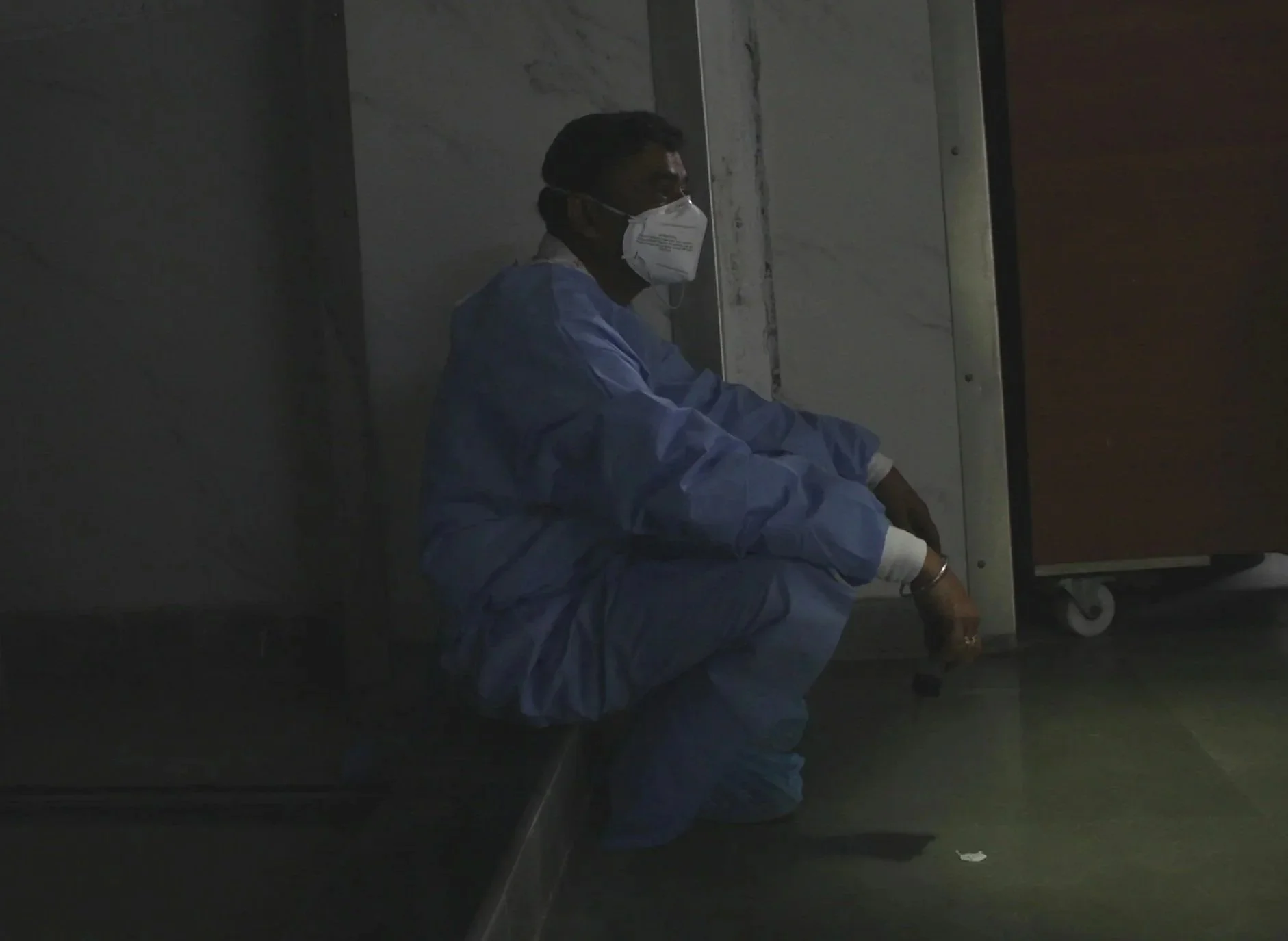
Living with a chronic illness or the aftermath of medical event can leave us with physical and emotional pain. Whether you're managing symptoms, navigating a difficult diagnosis, or healing from past medical experiences; the emotional toll is real. Together, we explore these challenges, build meaningful strategies for healing, and work toward feeling safe and connected in your body again.
-

Grief and Loss
The pain of losing someone or something important can feel overwhelming and isolating. Grief can take many forms; whether you’re coping with the death of a loved one, the end of a meaningful relationship, or another significant loss. In therapy, we honor your unique experience and support you in finding ways to carry your loss while gradually rediscovering hope and meaning.
-

Childhood Trauma
Our early life experiences shape how we understand ourselves and connect with the world around us. Experiences such as emotional neglect, difficult family dynamics, or challenges with peer relationships can leave a lasting impact on our emotional well-being. In therapy, we offer a safe and supportive space to explore your story, build resilience, and nurture healing from within.
-

Accidents and Traumatic Injury
Unexpected accidents or injuries can leave both visible and emotional scars. You might be coping with fear, flashbacks, or a shaken sense of safety. Through therapy, we address these challenges and work toward restoring your sense of control, strength, and safety in your daily life.
Eye Movement Desensitization and Reprocessing (EMDR) Therapy
Eye Movement Desensitization and Reprocessing (EMDR) is a structured, research-supported therapy that helps the brain process and heal from traumatic or distressing experiences.
When something overwhelming happens, the memory can feel “stuck,” leading to strong emotional or physical reactions long after the event has passed. During EMDR, you briefly focus on a difficult memory while engaging in bilateral stimulation (such as guided eye movements or tapping). This process helps reduce the emotional intensity and vividness of the memory over time.
EMDR is widely used to treat trauma and PTSD, and research also supports its effectiveness for anxiety, depression, and other distressing life experiences. Sessions are collaborative and paced carefully, with attention to safety and grounding throughout.
You may seek trauma therapy when:
car accidents | loss of a loved one | new diagnosis | primary caregiver strain | loss of a child | job loss | caring for an aging parent | navigating toxic family dynamics | parentification | vicarious trauma | parental mental illness | cyber bullying | intergenerational trauma | hospitalizations | major move | friendship loss | school lock down | foster care | identity based discrimination | abandonment | peer rejection | sudden life change | chronic illness